
Getting a major Android update can be exciting, but there is always one question that comes first: Will my phone get it? With Android 17 now rolling out, many users are checking whether their device is included and when they can expect the update.
The good news is that several recent smartphones are set to receive the new Android version, although the rollout isn’t the same for every brand. Google Pixel phones get updates directly from Google, while Samsung, OnePlus, Motorola, Xiaomi, OPPO, vivo, iQOO, Nothing, and other manufacturers follow their own software schedules.
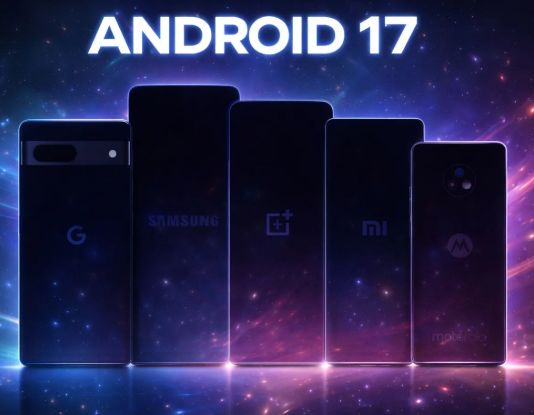
If you’re searching for Android 17 eligible phones, this guide will help you understand which devices are confirmed, which are expected to receive the update, and which older phones may be left behind. We’ll also look at the expected rollout timeline and show you how to check your phone for the update.
So, before you start wondering why your friend has Android 17 while your phone is still waiting, let’s find out exactly where your device stands.
Getting a major Android update is always exciting, but it can also leave users with one big question: Will my phone actually get it? With Android 17 rolling out across different brands, users are checking their devices before deciding whether it is time to upgrade or simply wait for the software update. The situation can be a little confusing because Google, Samsung, OnePlus, Motorola, Xiaomi and other manufacturers follow different update schedules.
If you’re searching for Android 17 eligible phones, you’re probably looking for a simple answer rather than a complicated list full of guesses. That’s exactly what this guide aims to provide. We’ll look at the latest supported and expected devices, explain how manufacturers decide which phones receive major Android updates, and show you how to check your own phone’s eligibility.
It’s also worth remembering that getting Android 17 isn’t only about having the newest features. A major Android update can bring security improvements, privacy changes, better app compatibility and other improvements that can make a phone feel newer without actually replacing it. That’s why checking your phone’s software support is just as important as checking its hardware specifications.
So, if you’re wondering whether your current smartphone is among the Android 17 eligible phones, let’s go through the list and find out what you can realistically expect.
What Is Android 17?
Google officially released Android 17 on June 16, 2026, making it available first on most supported Pixel devices. Google says new devices running Android 17 will follow in the coming months.
But there is an important catch: not every Android phone will receive the update at the same time.
Google controls Android itself, but companies such as Samsung, OnePlus, Motorola, Xiaomi, OPPO, vivo, iQOO, Nothing, and HONOR have their own software teams, update policies, and rollout schedules.
That is why one phone may receive Android 17 quickly while another phone from a different brand may have to wait several months.
If you are searching for Android 17 eligible phones, this guide will help you understand which devices are confirmed, which are expected to receive the update, and why some older phones may be left behind.
Important: Android update eligibility can vary by region, carrier, model variant, and manufacturer policy. Where a manufacturer has not published a complete official list, devices mentioned below should be treated as expected rather than guaranteed.
Table of Contents
Android 17 Eligible Phones: What You Need to Know
Before checking the lists, there is one thing worth understanding.
There isn’t a single master list from Google covering every Android manufacturer.
Google can confirm which Pixel devices are supported because it controls the Pixel software experience. Other brands decide their own rollout plans.
Some manufacturers also provide a specific number of major Android upgrades for different phone families. A flagship may receive several major Android versions, while an entry-level model may receive fewer.
So, when checking whether your phone will get Android 17, consider:
- When your phone was launched
- How many Android upgrades the manufacturer promised
- Whether your phone is a flagship or budget model
- The manufacturer’s update policy
- Your country or region
- Your exact model number
- Whether the device has enough hardware support
This is why it is better to think of an eligibility list as a roadmap, rather than a guaranteed release date for every model.
Google Pixel Phones Getting Android 17
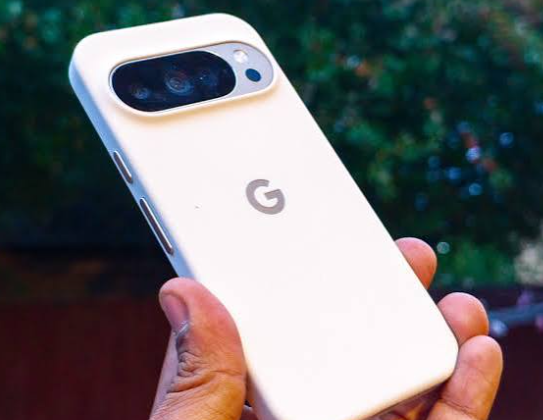
Pixel phones are the easiest devices to check because Google has officially listed the supported Pixel hardware.
Google’s current Android 17 QPR 1 documentation lists Pixel devices from the Pixel 6 generation through the Pixel 10 generation, along with the Pixel Tablet and Pixel Fold.
Confirmed Pixel devices
The supported list includes:
- Google Pixel 6
- Pixel 6 Pro
- Pixel 6a
- Pixel 7
- Pixel 7 Pro
- Pixel 7a
- Pixel 8
- Pixel 8 Pro
- Pixel 8a
- Pixel 9
- Pixel 9 Pro
- Pixel 9 Pro XL
- Pixel 9 Pro Fold
- Pixel 9a
- Pixel 10
- Pixel 10 Pro
- Pixel 10 Pro XL
- Pixel 10 Pro Fold
- Pixel 10a
- Pixel Fold
- Pixel Tablet
Google’s official documentation confirms these devices as supported for the current Android 17 QPR 1 cycle.
If you own a Pixel 6 or newer supported model, you are in a much better position than owners of older Pixel generations.
Samsung Galaxy Phones Expected to Get Android 17
Samsung’s Android 17 rollout is tied to its One UI software, so the update will arrive as a Samsung software package rather than simply appearing as a stock Android interface.
Samsung has been testing Android 17-based software, and current device eligibility lists point toward a broad rollout across recent Galaxy flagships, foldables, tablets, and selected A-series devices.

Galaxy S series
Expected models include:
- Galaxy S26 series
- Galaxy S25 series
- Galaxy S24 series
- Galaxy S23 series
- Selected S-series FE models
Galaxy Z series
Recent foldable models expected to receive Android 17 include the following:
- Galaxy Z Fold8 series
- Galaxy Z Flip8 series
- Galaxy Z Fold7
- Galaxy Z Flip7
- Galaxy Z Fold6
- Galaxy Z Flip6
- Galaxy Z Fold5
- Galaxy Z Flip5
Galaxy A series
Recent A-series devices are also expected to be included, depending on Samsung’s update policy and regional rollout.
Potential eligible models include:
- Galaxy A57
- Galaxy A56
- Galaxy A55
- Galaxy A54
- Galaxy A37
- Galaxy A36
- Galaxy A35
- Galaxy A34
- Galaxy A27
- Galaxy A26
- Galaxy A25
- Galaxy A24
- Galaxy A17
- Galaxy A16
- Galaxy A15
- Selected newer A-series models
Galaxy tablets
Recent Galaxy Tab models are also expected to receive Android 17 through Samsung’s One UI update.
However, don’t assume that every Galaxy device in a particular series will receive exactly the same features. Samsung can limit certain features based on hardware.
OnePlus Phones Expected to Get Android 17
OnePlus is another brand with a relatively strong software-update strategy, especially on recent flagship devices.
Current Android 17 eligibility tracking points toward recent OnePlus flagship and premium devices, including the following:
- OnePlus 15
- OnePlus 13
- OnePlus 13R
- OnePlus 12
- OnePlus 12R
- OnePlus 11
- OnePlus Open
- Selected recent Nord models
The exact rollout can vary depending on region and OxygenOS development.
For OnePlus users, the safest approach is to check the official OxygenOS update notification on the phone rather than relying only on a third-party eligibility list.
Motorola Phones Getting Android 17
Motorola’s Android 17 situation has become much clearer as the rollout has progressed.
Motorola has started rolling Android 17 to more than 50 devices, beginning with newer premium models. Reports indicate that the rollout includes the Edge and Razr families as well as selected Moto G models.
Examples include:
Motorola Edge
- Edge 70 series
- Edge 60 series
- Edge 50 series
- Selected newer Edge models
Motorola Razr
- Razr 70 series
- Razr 60 series
- Selected recent foldable models
Moto G
Selected newer Moto G devices are also included in the rollout.
Motorola has stated that rollout timing varies by device and region, so two eligible Motorola phones may not receive the update on the same day.
Xiaomi, Redmi and POCO Phones
Xiaomi’s Android updates are closely connected with its HyperOS software.
Recent Xiaomi flagship models are among the devices expected to receive Android 17, while the exact timing can vary significantly between global, Indian, and Chinese versions.
Potential eligible devices include recent:
- Xiaomi flagship phones
- Xiaomi T-series models
- Redmi Note models
- Redmi K-series phones
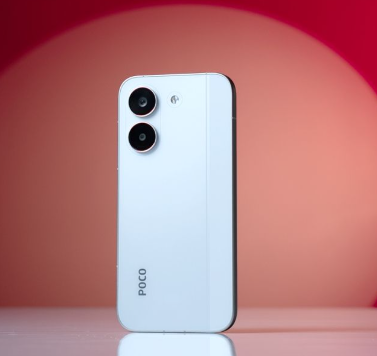
- POCO F-series
- Selected POCO X-series models
Some Xiaomi devices have already been involved in Android 17 development and testing, but a device being part of a developer preview or beta program does not automatically mean every regional version receives the stable update at the same time.
For Indian users, this distinction is particularly important because global and China-specific software releases can follow different schedules.
OPPO Phones
OPPO is also expected to bring Android 17 to a range of recent smartphones through its ColorOS software.
Likely candidates include recent:
Find X series
Find N foldables
Reno series
Selected premium A-series devices
The newer the phone and the longer its promised software support, the stronger the possibility of receiving Android 17.
However, exact eligibility can vary between regions, so check OPPO’s official software-update information for your model before assuming the update is guaranteed.
vivo and iQOO Phones
vivo and iQOO users can also expect Android 17 on a selection of recent devices.
Likely candidates include recent:
- vivo X series
- vivo V series
- iQOO flagship models
- iQOO Neo models
- Selected newer mid-range devices
These updates will arrive through the manufacturer’s software layer rather than stock Android.
Again, your exact model and region matter.
For example, an international version of a phone may receive an update at a different time from an Indian version.
Nothing Phones
Nothing has also been expanding its software support across newer devices.
Recent Nothing Phone models are strong candidates for Android 17, including:
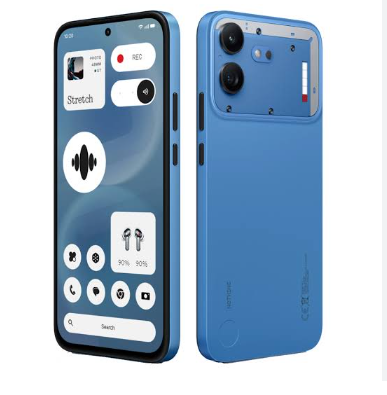
- Nothing Phone (3)
- Nothing Phone (3a)
- Nothing Phone (3a) Pro
- Nothing Phone (2)
- Nothing Phone (2a)
- Nothing Phone (2a) Plus
Newer devices generally have a better chance of receiving major Android updates because they have more remaining software-support years.
Still, always verify your specific model before treating an expected device as confirmed.
HONOR Phones
Recent HONOR smartphones are also expected to receive Android 17 depending on their software-support commitments.
Potential candidates include the newer:
- HONOR Magic series
- HONOR numbered flagship models
- HONOR foldables
- Newer premium mid-range phones
HONOR has also been included among Android 17 device-maker partners during the beta development cycle, although beta participation and stable eligibility are not exactly the same thing.
Which Phones May Not Get Android 17?
This is just as important as knowing which phones will get the update.
Older smartphones are naturally more likely to miss a major Android version.
A phone may not receive Android 17 because:
- Its promised major Android updates have ended
- The device is too old
- The manufacturer has stopped major OS support
- Hardware limitations prevent certain requirements
- The model is supported in one region but not another
- The manufacturer hasn’t committed to the update
A phone not appearing on an unofficial list does not automatically mean it will never receive Android 17.
Likewise, appearing on a third-party list does not always mean the update is officially guaranteed.
That’s why manufacturer confirmation is the final word.
Android 17 Update Rollout Timeline
The rollout is happening in stages.
June 2026 — Google Pixel
Google officially released Android 17 on June 16, 2026, and began making it available on supported Pixel devices.
Mid-to-late 2026 — Other manufacturers
Other manufacturers are rolling out their own Android 17-based software according to their development schedules.
Samsung, Motorola and other brands have been moving through their own testing and release processes.
2027 — Remaining devices
Some mid-range and budget phones may receive Android 17 much later than flagship models.
This is completely normal for Android.
The important thing is not to judge your phone’s eligibility solely by whether another phone has already received the update.
Want to know what’s coming after Android 17? Check our Android 17 QPR2 update guide.
How to Check if Your Phone Is Eligible for Android 17
You don’t need to rely on websites every time.
The easiest way to check your phone is through the built-in software-update page.
Step 1: Open Settings
Go to your phone’s Settings app.
Step 2: Find Software Update
Depending on the brand, look for the following:
- System Update
- Software Update
- System & Updates
- Software Update under About Phone
Step 3: Check for Updates
Tap Check for updates.
If Android 17 is available for your phone and region, you’ll see the update notification.
Step 4: Prepare Your Phone
Before installing:
- Back up important files
- Charge the battery
- Connect to Wi-Fi
- Keep enough free storage
- Don’t interrupt the installation
Android 17 vs Android 16 Update Support
Android 17 doesn’t completely change the way Android updates work, but the update itself introduces several improvements.
| Area | Android 16 | Android 17 |
|---|---|---|
| Privacy | Strong | More granular controls |
| OTP protection | Improved | Stronger restrictions |
| Contacts | Permission-based access | More selective sharing |
| Security | Advanced | Additional protection modes |
| Large screens | Improved | More adaptive approach |
| Camera | Advanced APIs | Additional creator capabilities |
| Memory management | Existing system | Newer memory limits |
| Bluetooth | Standard | Better recovery behavior |
| Gaming graphics | Vulkan-focused | WebGPU support |
| Background audio | Standard | Stronger restrictions |
The most noticeable difference will depend on your phone.
A flagship with powerful hardware may benefit from more of Android 17’s capabilities than an older budget device.
Why Android 17 Eligibility Matters
A major Android update isn’t only about getting new icons or a different settings screen.
It can also bring:
- Security improvements
- Privacy controls
- Better app compatibility
- Performance improvements
- New APIs
- Camera improvements
- Better support for newer accessories
- New developer features
That is why software support should be considered when buying a new Android phone.
A phone with strong long-term software support can remain useful for several years instead of feeling outdated after a short period.
Pros and Cons of Android 17 Updates
Pros
- New Android features
- Improved privacy
- Better security
- More control over sensitive permissions
- Improved multitasking
- Better support for large screens
- New camera and media capabilities
- Improved Bluetooth behavior
- Better platform support for future apps
Cons
- Rollout dates vary by manufacturer
- Some phones may never receive the update
- Certain features require newer hardware
- Regional rollout can take longer
- Budget phones may receive fewer features
- Beta and stable versions should not be confused
Frequently Asked Questions
1. Which phones are eligible for Android 17?
The confirmed Google list currently includes supported Pixel devices from the Pixel 6 generation through the Pixel 10 generation, along with Pixel Fold and Pixel Tablet. Other brands such as Samsung, Motorola, OnePlus, Xiaomi, OPPO, vivo, iQOO, Nothing and HONOR have their own eligibility and rollout schedules.
2. Will Samsung phones get Android 17?
Yes, many recent Samsung Galaxy phones are expected to receive Android 17 through Samsung’s One UI software. Recent Galaxy S, Z and selected A-series models are among the likely candidates, although exact timing depends on Samsung and the region.
3. Will older phones get Android 17?
Some older phones may receive Android 17, but it depends on the manufacturer’s software-support policy. The age of the device, promised number of Android upgrades and hardware compatibility all matter.
4. When will Android 17 come to my phone?
Google released Android 17 for supported Pixel devices on June 16, 2026. Other manufacturers are following their own schedules, so Samsung, Motorola, OnePlus, Xiaomi and other phones may receive the update at different times.
5. How can I check whether my phone will get Android 17?
Check your manufacturer’s official update policy first, then open Settings → System/Software Update → Check for Updates. If the update has been released for your exact model and region, your phone should show the available update.
Final Verdict
Before updating, you can also see how the new version compares with the previous release in our Android 17 vs Android 16 guide.
The Android 17 eligible phones list is much broader than just Google’s Pixel lineup, but the rollout is far from identical across every manufacturer. Pixel users have the clearest situation because Google officially lists supported devices, while Samsung, Motorola, OnePlus, Xiaomi, OPPO, vivo, iQOO, Nothing and HONOR are handling their own update schedules.
If your phone is relatively new and still has major Android upgrades remaining, there is a good chance you will eventually receive Android 17. However, it is important to distinguish between a phone being confirmed; expected based on its update policy; and simply appearing on an unofficial online list.
The best approach is to check your exact model, keep an eye on your manufacturer’s update announcements, and regularly check the software-update section on your phone.
For anyone wondering whether their device belongs among the Android 17 eligible phones, the good news is that support is expanding throughout 2026. The exact arrival date may take longer, but newer phones from major manufacturers are increasingly joining the Android 17 rollout.
One thing I would recommend is not getting worried if your phone doesn’t receive the update immediately. The Android rollout happens in stages, and a delay doesn’t always mean your device has been left out. If your phone is still within its promised software-support period, it’s worth waiting for the official update instead of relying on random lists online. For anyone checking the Android 17 eligible phones, the safest option is to confirm the information through the phone manufacturer’s official update page or the software-update section on the device itself.
If you’re still unsure about your phone, don’t rush into buying a new device just because the update hasn’t arrived yet. The Android 17 eligible phones list can change as manufacturers confirm more models and begin regional rollouts. Checking the Android 17 eligible phones information from your brand’s official website is a much safer option than trusting random lists on social media. In the end, knowing whether your device is among the Android 17 eligible phones can help you decide whether to wait for the update or start considering your next smartphone.
For most users, there is no need to worry if the update takes a little longer to arrive. The Android 17 eligible phones will receive the software according to each manufacturer’s rollout plan, and some regions may have to wait longer than others. Keeping an eye on the official update page is the easiest way to follow the latest Android 17 eligible phones information without getting confused by unofficial claims. If your device is included among the Android 17 eligible phones, a little patience may be all you need before the update appears on your phone.
Is your phone eligible but you’re experiencing problems after the update? Our guide to Android 17 update problems covers common issues and how to fix them.